2K views Mar 2010
An animated documentary explains how bottled water is marketed, compares it with tap water, and traces the oil, energy, and plastic waste behind each bottle.
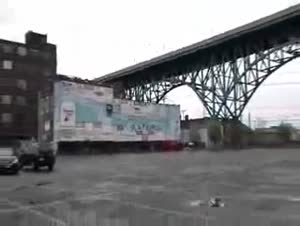
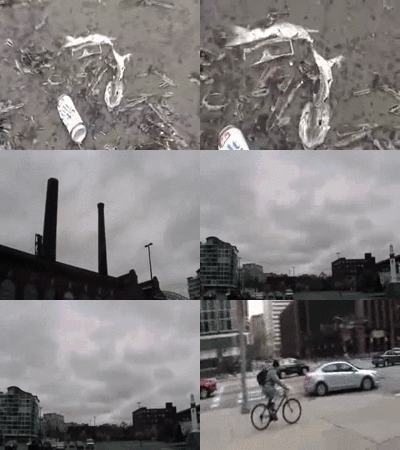
0:08 This is a story about a world obsessed with stuff. It's a story about a system in crisis. 0:13 We're trashing the planet, we're trashing each other, and we're not even having fun. 0:19 The good thing is that when we start to understand the system, we start to see lots of places to step in and turn these problems into solutions. 0:37 One of the problems with trying to use less stuff is that sometimes we feel like we really need it. 0:41 What if you live in a city like, say, Cleveland, and you want a glass of water? 0:45 Are you going to take your chances and get it from the city tap, or should you reach for a bottle of water that comes from the pristine rainforest of Fiji? 0:52 Well, Fiji Brand Water thought the answer to this question was obvious, so they built a whole ad campaign around it. 0:58 It turned out to be one of the dumbest moves in advertising history. 1:02 You see, the city of Cleveland didn't like being the butt of Fiji's jokes, so they did some tests, and guess what? 1:07 These tests showed a glass of Fiji water is lower quality, it loses taste tests against Cleveland tap, and costs thousands of times more. 1:17 This story is typical of what happens when you test bottled water against tap water. 1:21 Is it cleaner? Sometimes, sometimes not. In many ways, bottled water is less regulated than tap. 1:27 Is it tastier? In taste tests across the country, people consistently choose tap over bottled water. 1:34 These bottled water companies say they're just meeting consumer demand, but who would demand a less sustainable, less tasty, way more expensive product, especially one you can get for almost free in your kitchen. 1:46 Bottled water costs about 2,000 times more than tap water. Can you imagine paying 2,000 times the price of anything else? 1:52 How about a 10,000 dollar sandwich? Yet people in the US buy more than half a billion bottles of water every week. 1:59 That is enough to circle the globe more than 5 times. How did this come to be? 2:05 Well, it all goes back to how our materials economy works and one of its key drivers, which is known as manufactured demand. 2:12 If companies want to keep growing, they have to keep selling more and more stuff. 2:16 In the 1970s, giant soft drink companies got worried as they saw their growth projections starting to level off. 2:22 There's only so much soda a person can drink. Plus, it wouldn't be long before people began realizing that soda is not that healthy and turned back to, gasp, drinking tap water. 2:33 Well, the companies found their next big idea in a silly designer product that most people laughed off as a passing yuppie fad. 2:40 Water is free, people said back then. What will they sell us next, air? 2:44 So how do you get people to buy this fringe product? Simple, you manufacture demand. 2:50 How do you do that? Well, imagine you're in charge of a bottled water company. 2:54 Since people aren't lining up to trade their hard-earned money for your unnecessary product, you make them feel scared and insecure if they don't have it. 3:02 And that's exactly what the bottled water industry did. One of their first marketing tactics was to scare people about tap water with ads like Fiji's Cleveland campaign. 3:13 When we're done, one top water executive said, tap water will be relegated to showers and washing dishes. 3:20 Next, you hide the reality of your product behind images of pure fantasy. 3:24 Have you ever noticed how bottled water tries to seduce us with pictures of mountain streams and pristine nature? 3:30 But guess where a third of all bottled water in the US actually comes from? 3:35 The tap. Pepsi's Aquafina and Coke's Dasani are two of the many brands that are really filtered tap water. 3:42 But the pristine nature lie goes much deeper. In a recent full-page ad, Nestle said, bottled water is the most environmentally responsible consumer product in the world. 3:52 What? They are trashing the environment all along the product's life cycle. 3:57 Exactly how is that environmentally responsible? The problems start here with extraction and production, where oil is used to make water bottles. 4:06 Each year, making the plastic water bottles used in the US takes enough oil and energy to fuel a million cars. 4:13 All that energy spent to make the bottle, even more to ship it around the planet, 4:20 and then we drink it in about 2 minutes? That brings us to the big problem at the other end of the life cycle, disposal. 4:28 What happens to all these bottles when we're done? 80% end up in landfills, where they will sit for thousands of years, or in incinerators, where they are burned, releasing toxic pollution. 4:38 The rest gets collected for recycling. I was curious about where the plastic bottles that I put in the recycling bins go. 4:45 I found out that shiploads were being sent to India, so I went there. 4:49 I will never forget riding over a hill outside Madras, where I came face to face with a mountain of plastic bottles from California. 4:56 Now, real recycling would turn these bottles back into bottles. 5:01 But that wasn't what was happening here. Instead, these bottles were slated to be downcycled, which means turning them into lower quality products that would just be chucked later. 5:10 The parts that couldn't be downcycled were thrown away there, shipped all the way to India just to be dumped in someone else's backyard. 5:18 If bottled water companies want to use mountains on their labels, it would be more accurate to show one of these mountains of plastic waste. 5:25 Scaring us, seducing us, and misleading us. These strategies are all core parts of manufacturing demand. 5:34 Once they've manufactured all this demand, creating a new multi-billion dollar market, they defend it by beating out the competition. 5:41 But in this case, the competition is our basic human right to clean, safe drinking water. 5:47 Pepsi's vice chairman publicly said, the biggest enemy is tap water. 5:52 They want us to think it's dirty, and bottled water is the best alternative. 5:57 In many places, public water is polluted, thanks to polluting industries like the plastic bottle industry. 6:02 And these bottled water guys are all too happy to offer their expensive solutions, which keep us hooked on their products. 6:09 It is time we took back the tap. That starts with making a personal commitment to not buy or drink bottled water unless the water in your community is truly unhealthy. 6:19 Yes, it takes a bit of foresight to grab a reusable bottle on the way out, but I think we can handle it. 6:25 Then take the next step. Join a campaign that's working for real solutions, like demanding investment in clean tap water for all. 6:34 In the US, tap water is underfunded by 24 billion dollars, partly because people believe drinking water only comes from a bottle. 6:41 Around the world, a billion people don't have access to clean water right now, yet cities all over are spending millions of dollars to deal with all the plastic bottles we throw out. 6:51 What if that money was spent improving our water systems, or better yet, preventing pollution to begin with? 6:57 There are many more things we can do to solve this problem. Lobby your city officials to bring back drinking fountains. 7:03 Work to ban the purchase of bottled water by your school, your organization, or entire city. 7:08 This is a huge opportunity for millions of people to wake up and protect our wallets, our health, and the planet. 7:15 The good news is it's already started. Bottled water sales have begun to drop while business is booming for safe, refillable water bottles. 7:23 Yay! Restaurants are proudly serving tap, and people are choosing to pocket the hundreds or thousands of dollars they would otherwise be wasting on bottled water. 7:32 Carrying bottled water is on its way to being as cool as smoking while pregnant. 7:36 We know better now. The bottled water industry is getting worried because the jig is up. 7:42 We are not buying into their manufactured demand anymore. We will choose our own demands, thank you very much, and we're demanding clean, safe water for all. 


 1:27
 9:12

 1:23
 0:47
 1:02
 5:48
 4:35
 0:49
 3:25

 2:30
 4:05
 9:55
